Purposes of research PRODUCT REACH
Media companies often expect that mass media products have a large audience reach. This means that the product is more likely to be successful ad will make profit through sale numbers. however, the main reason that these companies conduct research to find out how many people consume the product within a given reach.
Organisations such as BARB and RAJAR carry this out for companies in the Video and Radio industry collection CIRCULATION and READERSHIP for publishing and print companies.
Circulation - The number of people who purchases a print product.
Readership - The number of people who read a print product as part of second hand consumption.
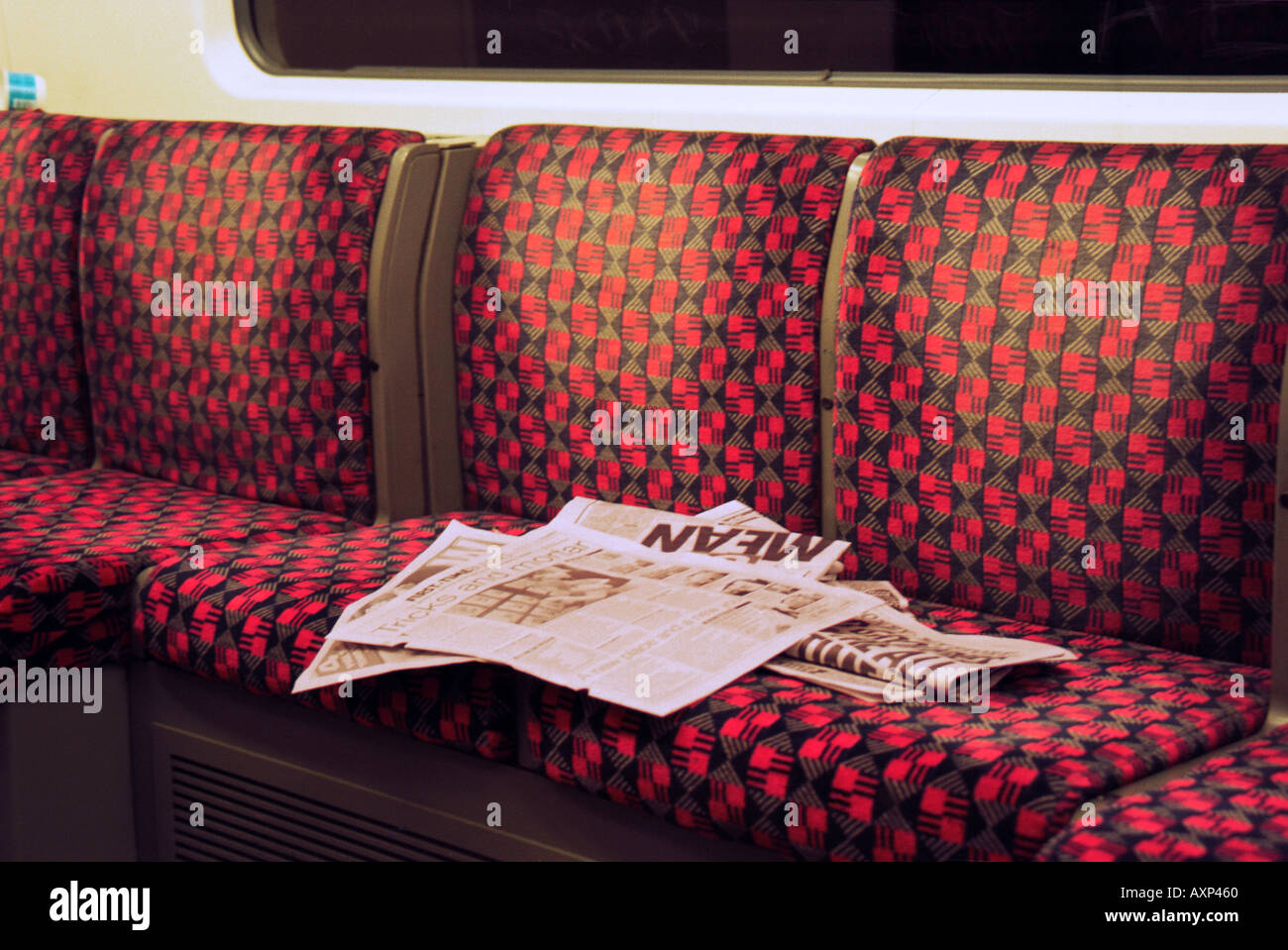
People leaving the paper on a bus so that other people can read the paper is Circulation the act of someone else reading the paper is Readership.
Audience feedback:
This allows media companies to identify a gap in the market to create a product. It is also used to develop an understanding of needs of mainstream and niche audiences. Social media is often used to gain this feedback as it is cost effective and usually has a high response rate as it is easy to complete.
Competitors Research is conducted by media producers to find out what audiences think about the products and brands owned by competitors. BBC and ITV are constantly using online technologies to conduct focus groups about what viewers think about major story lines they have produced.
Primary and Secondary
Primary - research are methods that are conducted by yourself the methods used are based on what the media producer wants to find out. E.g a questionnaire.
Secondary - using information that has already been released. For example using he internet to find out information. Use theorists ideas and help us make informed ideas.
Focus groups - are a group of people assembled to take part in the products discussion about a product before it is launched.
Interviews - This method is also used in journalism and media reporting, they are a vital par of market research.
Online survey - questionnaires that are shared via the internet. Quick and easy to create.
Primary Research Methods | Advantages | Disadvantages |
Questionnaires | Lots of people able to do them and easily as well appeal to older people because they do not need to learn how to use technology. Quick and easy to fill out. delivered multiple ways. | Not online so people will be less likely to take part in them. confined to saying yes or no. |
Focus Groups | Getting a better view of what the public think helps them to decide about the product. Can see what your target audience may look like | Small amounts of people only cannot use large groups not as effective. Easily stopped by other opinions. Not be able to get there. |
Interviews | Able to be done to a lot of people gets their own focused opinion. Can focus on particular people. | Cannot use more than one person at a time due to how interviews work. not lot of results for high effort. |
Online survey | Lots of people can answer them easily and quickly and get a quick response time. Target a large audience and can distribute it on different platforms. Cost efficient. | Old people cannot use technology to fill out the survey. |
Internet research: Search engines are used to gather personal data, personal opinions, news articles and academic research or a particular topic.
Books and Journals: textbooks and digital editions of these provide a way of gaining information.
Magazines and Newspapers: Articles have been written by professional journalists who have used primary research methods to create data foe a topic.
Television: Documentaries, news and factual advice programs can provide large amounts of information needed for research purposes.
Secondary methods | Advantages | Disadvantages |
Internet research | Lots of People can access the research. It is also usually free. Quicker | People can change the research making it inaccurate |
Books and Journals | Easy too access, More traditional | People may not want to spend money Slower |
Magazines and Newspapers | Easy to access more traditional accurate and targeting a niche audience | Not free, Slower Research might be biast |
Television | Easy to access, Fast, understand more information. | Not free |
Secondary: Television
Strengths: what are the advantages. Television means that a lot of people can see the research.
Weaknesses: what are the disadvantages. Need to pay to see the TV as well as paying for the TV itself.
Opportunities: how can they be improved. make the TV license free.
Threats: what could happen because of this. People are misinformed and the magazine fails.
Primary: Online Survey
Strengths: what are the advantages. Lots of people can fill in the survey and therefore I will get more information and the response time is fast.
Weaknesses: what are the disadvantages. Not regulated.
Opportunities: how can they be improved. They should be regulated to stop inaccurate answers.
Threats: what could happen because of this. Create the wrong kind of magazine and the magazine fails.
Analyzing Audience Research
in the industry the most successful products will often have spin offs and sequels. However, this is based on audience feedback.
1. Yes
2. yes it did
it is important for media companies to interpret data that is presented to them about the ways audiences consume products in order to make decisions about a product.
Example:
Daily Mail - Young audience, more likely to own a mobile phone and read articles online.
The guardian - middle class audience, disposable income to buy newspapers.
Forza has many different spin offs and sequels the main 2 are Forza Motorsport and Forza horizon series.They did survey and used players suggestions.
Market possibilities
qualitative data descriptive data, useful for studies at the individual level and to find out depth the ways in which people think about a product.


It shows us what the most watched programs are over the past week and we can clearly see the results. This lets us see the most popular program.

NRS

Quantita
tive


No comments:
Post a Comment